

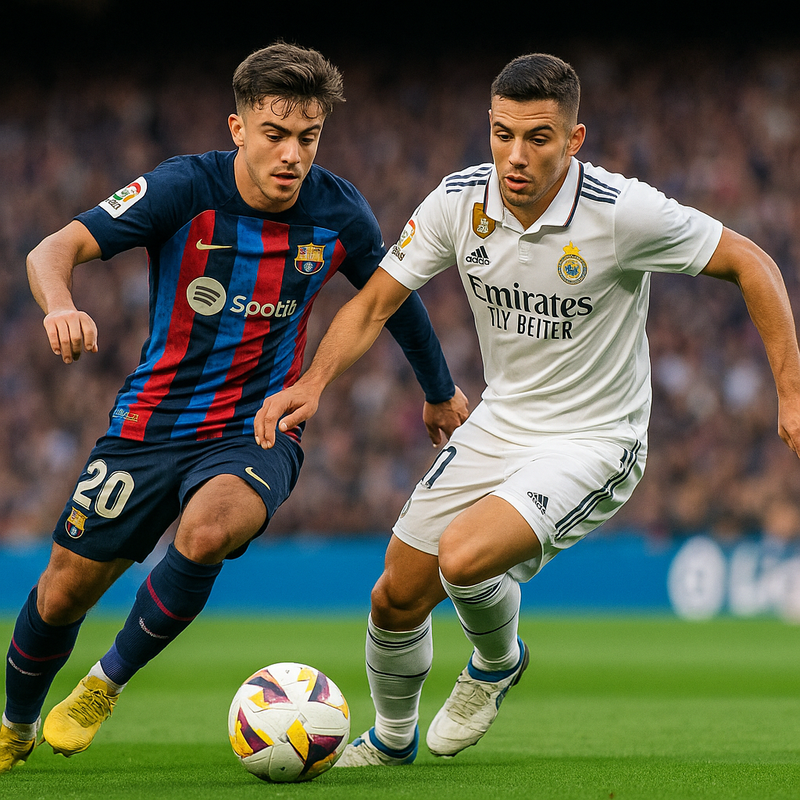
Dating back to their first meeting in 1902, the rivalry has evolved significantly. Historically, Barcelona, representing Catalonia, and Real Madrid, symbolizing the Spanish crown, have been seen as more than just football teams. Their clashes are often viewed as a battle between Catalan independence and Spanish unionism, adding layers of fervent sentiment to each match they play. The rivalry also thrives on the competitive nature of both clubs in the domestic and European arenas. Real Madrid and Barcelona are perennial title contenders in La Liga, Spain’s premier soccer league, and their frequent encounters in the UEFA Champions League only add to their competitive lore. The presence of some of the best players in the world, historically and currently, elevates each encounter. Players like Lionel Messi, Cristiano Ronaldo, Johan Cruyff, and Alfredo Di Stefano have graced this fixture, adding their brilliance to the storied competition. El Clásico isn't just about current events but also steeped in a very tangible history of memorable matches. For instance, the 5-0 victories for both sides at various times in the past — Barcelona in 1994 and Real Madrid in 2010 — are still talked about by fans for the sheer dominance displayed. These games go beyond the score; they're about asserting superiority over archrivals in the most emphatic way possible. Beyond the pitch, the rivalry extends to the economic and cultural domains. Both clubs are among the richest and most powerful on the planet, with global fan bases that rival countries in number. They are cultural institutions, with their identity and philosophy deeply embedded in their respective fan’s hearts. For Barcelona, it's about ‘Mes que un club’ (More than a club), signifying Catalan pride, whereas Real Madrid is often viewed as the establishment's club, with regal backing and a royal touch in its emblem. In recent years, the on-field competition has remained as fierce as ever with talents like Karim Benzema and Lionel Messi recently making headlines. The passion of the players and fans alike makes each meeting unpredictable and thrilling. Tactics and strategies have evolved over time, with each managerial change bringing a new dimension to how both teams confront each other. Coaches like Pep Guardiola, Zinedine Zidane, and recently Ronald Koeman and Carlo Ancelotti, have all left their marks on this storied rivalry, employing distinctive styles that have shaped game outcomes and, by extension, the trajectory of their clubs.
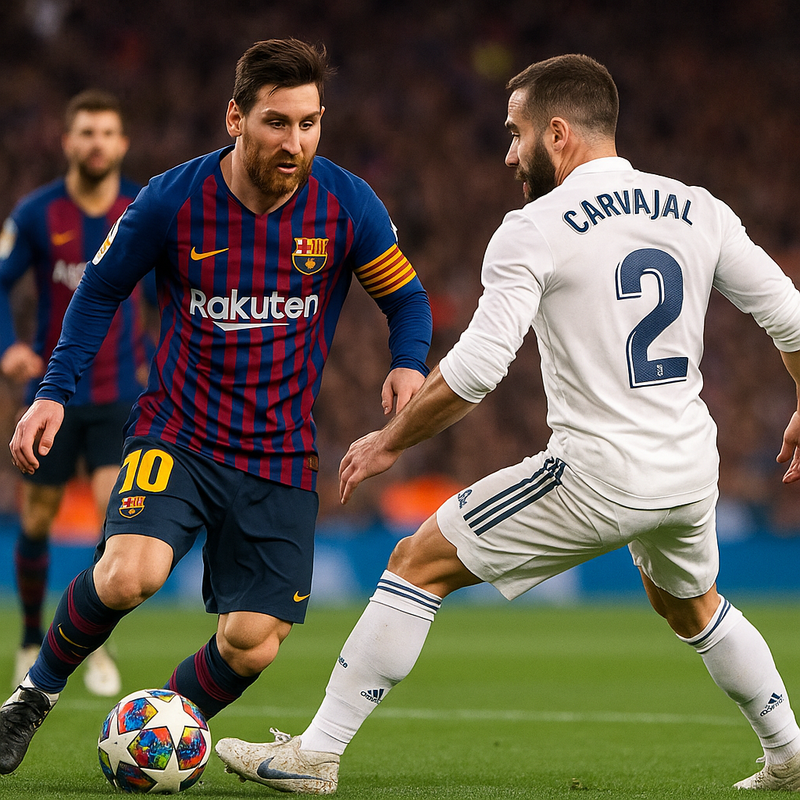
The fan cultures of both Real Madrid and Barcelona are intense, with supporters from far and wide tuning in or making the pilgrimage to watch the games live. El Clásico days are known for their vibrant atmosphere in cities, pubs, and homes, where groups gather to cheer, celebrate or commiserate. The rivalry even extends to social media, where the battle continues with memes, stats, and banter contributing to the modern-day folklore of El Clásico. For newcomers to football, understanding the depth of El Clásico might take time, but once grasped, it becomes clear why this is more than just a game. It's a saga of victory, conflict, pride, and artistry, played out by some of soccer's greatest heroes. As the world of football continues to evolve, so too will El Clásico, adding new chapters to an already rich and compelling narrative. Whether it's in La Liga or a heated Champions League bout, every meeting between Barcelona and Real Madrid is sure to be a showcase of football at its best, steeped in tradition and rival passions. This is what makes El Clásico not only the highlight of Spanish football but a quintessential symbol of sporting rivalry worldwide.