

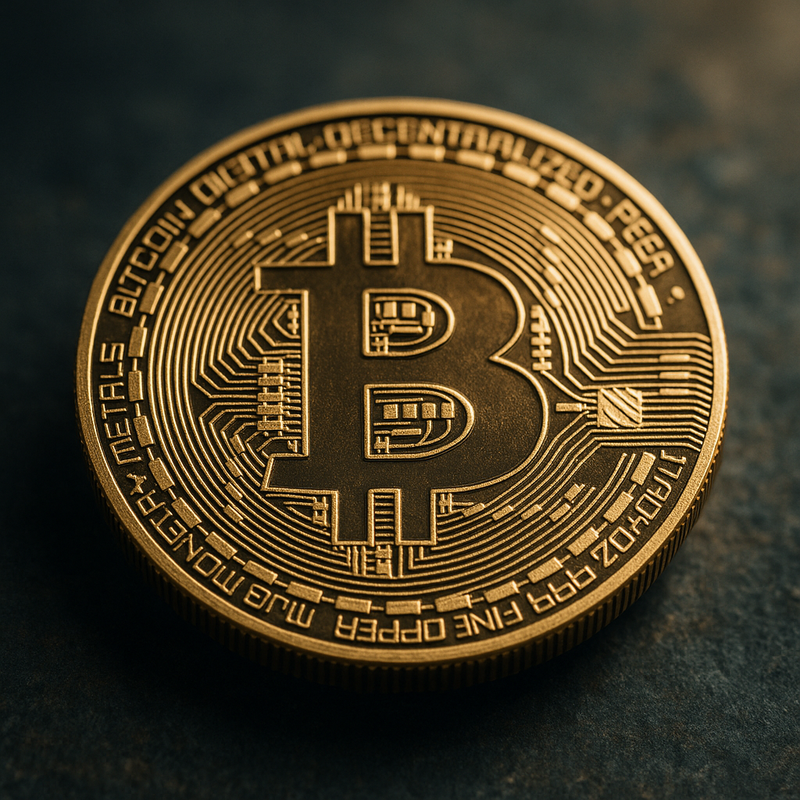
The allure of bitcoin lies in its limited supply and its decentralized nature, meaning it isn't controlled by any government or central bank. The total quantity of bitcoin that can ever exist is capped at 21 million, which creates a scarcity similar to that of precious metals like gold. This scarcity is one of the factors that drives its value. However, unlike traditional currencies or assets, bitcoin operates on a peer-to-peer network that cuts out intermediaries like banks, allowing for lower transaction fees and more direct transactions across the globe. One major challenge for potential bitcoin investors is its volatility. The price of bitcoin can swing wildly in short periods of time, driven by various factors such as regulatory news, changes in technology, market trends, and investor sentiment. For instance, significant price movements can often be attributed to announcements from countries about new regulatory measures concerning cryptocurrencies, whether restrictive or supportive. This high volatility makes bitcoin an exciting, yet risky investment that can offer substantial returns, but also significant losses. Another aspect to consider with Bitcoin is its use case. Initially envisioned as a "peer-to-peer electronic cash system", its role has evolved over time. Today, many see it as a form of 'digital gold' — a store of value rather than a currency for daily transactions. This perception has been bolstered by investors looking for assets that might perform well in times of inflation or economic uncertainty. Moreover, the increasing number of platforms that allow goods and services purchases using bitcoin indicates its growing acceptance. Security, while one of blockchain’s advantages, also calls for investor vigilance. Bitcoin wallets, where bitcoins are stored, can be vulnerable to hacking if not properly secured. Moreover, because of bitcoin's anonymous nature, it has been used in illegal transactions. This has led to concerns from regulators around the world and has influenced bitcoin's adoption rate and price. Despite these challenges, bitcoin's impact on the financial industry and beyond is undeniable. It has inspired the creation of over 2,000 other cryptocurrencies, initiated discussions on the future of money, and forced both governmental and financial entities to reconsider their operations.
Looking to the future, the role of bitcoin could become even more pivotal. Innovations such as the Lightning Network are being developed to allow faster transactions which could help bitcoin transition from being seen just as a store of value to becoming a viable medium for daily transactions. Furthermore, as more institutional investors begin considering cryptocurrencies as a part of diversified portfolios, bitcoin is likely to gain further legitimacy and stability. However, prospective investors should be mindful of the legal and tax implications of investing in cryptocurrencies. Different jurisdictions have varied regulations affecting the use of bitcoin, ranging from outright bans to more accepting stances. Additionally, as the cryptocurrency landscape continues to evolve, keeping abreast of legal and regulatory developments is crucial. In conclusion, bitcoin is much more than just a digital currency. It's a financial and technological phenomenon that has captured the attention of people worldwide, from individual investors to large institutions. Whether seen as the future of money or a speculative asset, it presents both opportunities and challenges that necessitate careful consideration by anyone looking to dive into the world of cryptocurrencies.