

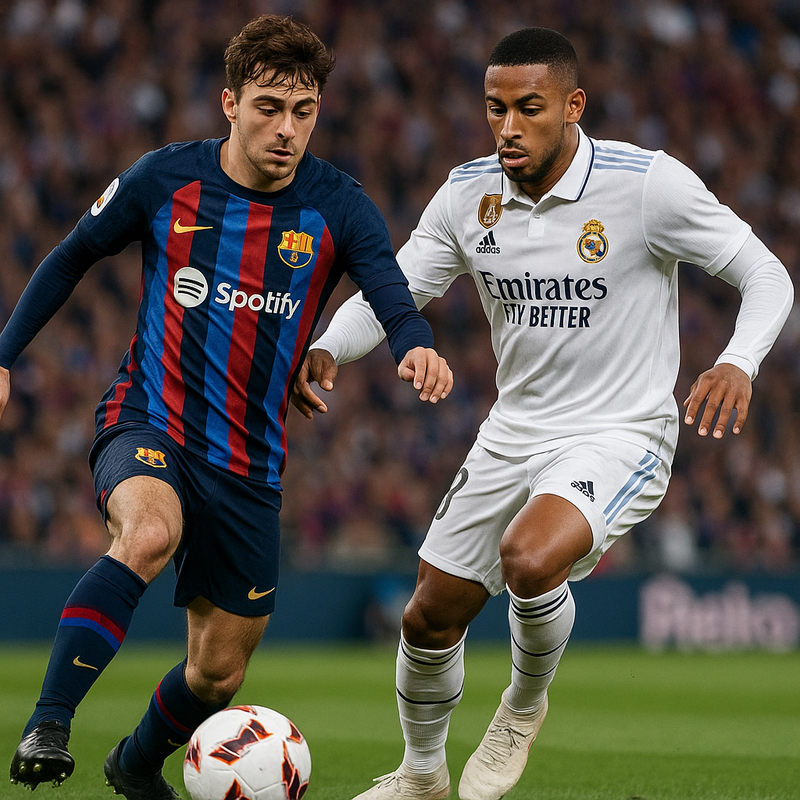
The origins of this rivalry go beyond football, blending sports with cultural and political undertones. FC Barcelona has long been seen as a symbol of Catalan identity and pride, whereas Real Madrid is often viewed as the establishment club, closely linked with the Spanish centralism. This backdrop adds a unique flavor to the matches, making El Clásico not only a battle for supremacy on the football field but also for cultural and regional pride. The rivalry is also marked by its incredible list of star players, with each team boasting some of the best talents in the history of football. Real Madrid's history features legends such as Alfredo Di Stefano, Raul, and more recently Cristiano Ronaldo, while Barcelona counters with icons like Johan Cruyff, Lionel Messi, and Xavi Hernandez. The presence of these titanic figures has only escalated the stakes and the global appeal of each encounter. Statistically, El Clásico is among the most watched single sporting events worldwide. Each match is eagerly anticipated and watched by millions of fans, not only in Spain but around the globe. The broadcast of these matches showcases dazzling skill, strategic depth, and often, dramatic conclusions that leave fans on the edge of their seats. In terms of accomplishments, both clubs are enormously successful. Real Madrid, with its 13 European Cup/UEFA Champions League titles and numerous domestic league and cup victories, stands as one of the most decorated football clubs in the world. Barcelona is not far behind, with a rich history of success in La Liga and internationally, including five Champions League titles. Analyzing recent encounters, the matches are always closely contested. One of the most memorable recent Clásicos took place in a context of high tension, with Barcelona’s tiki-taka style, emphasizing possession and short passing, juxtaposed against Real Madrid’s quick counter-attacks, showcasing the tactical genius of both teams. These games are often decided by moments of individual brilliance or strategic masterstrokes, reflecting the high level of football on display.
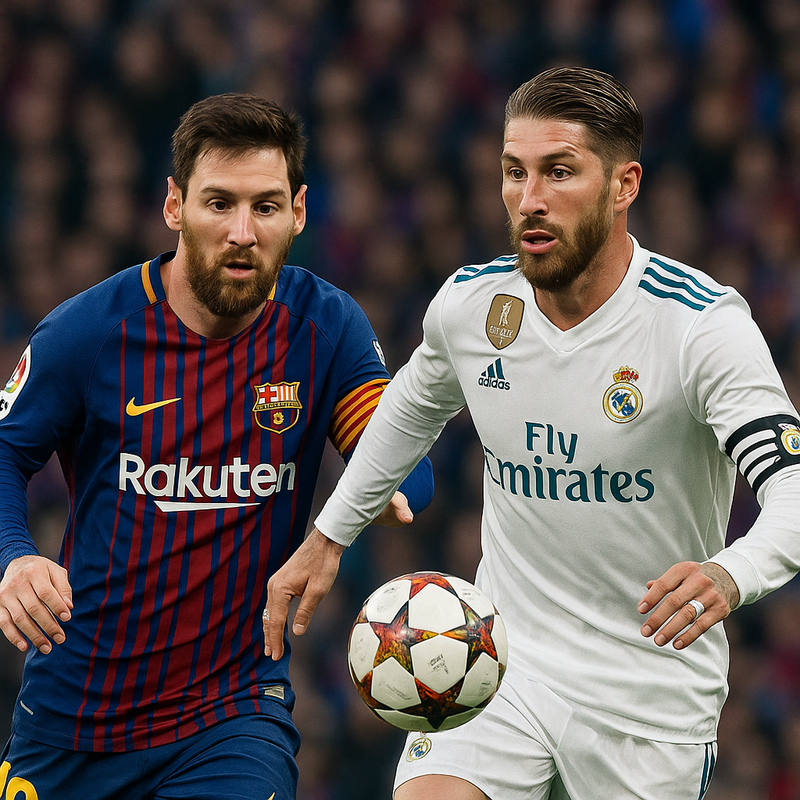
Apart from the footballing aspect, El Clásico has a significant economic impact. Each match drives substantial revenue through ticket sales, broadcasting rights, and merchandising. For cities hosting the games, local economies see a temporary boost as thousands of fans travel, stay, dine, and celebrate their teams. Furthermore, the global appeal adds significant value to the clubs' and players' brands, enhancing commercial revenues and sponsorships. Moreover, El Clásico has transcended the realm of sport to influence popular culture and media. It features in advertisements, has been the subject of documentaries and books, and is discussed fervently across social media channels and sports forums. The rivalry inspires art, from graphic design and illustration to fan-made videos and songs, capturing the imagination and hearts of football enthusiasts worldwide. As we look towards future games, the rivalry shows no signs of diminishing. Each encounter, whether in the league, Copa del Rey, or the Champions League, carries with it the weight of history, the excitement of the present, and the promise of continuing drama. It remains a testament to the enduring appeal of football, a game that not only entertains but also unites people across different cultures and backgrounds in their shared love for this beautiful game. In conclusion, FC Barcelona versus Real Madrid in El Clásico is more than a battle on the pitch; it is a cultural phenomenon that encapsulates the emotion, history, and passion of football. No matter the result, each match is a celebration of sport at its finest, reaffirming why football is called "the beautiful game."