

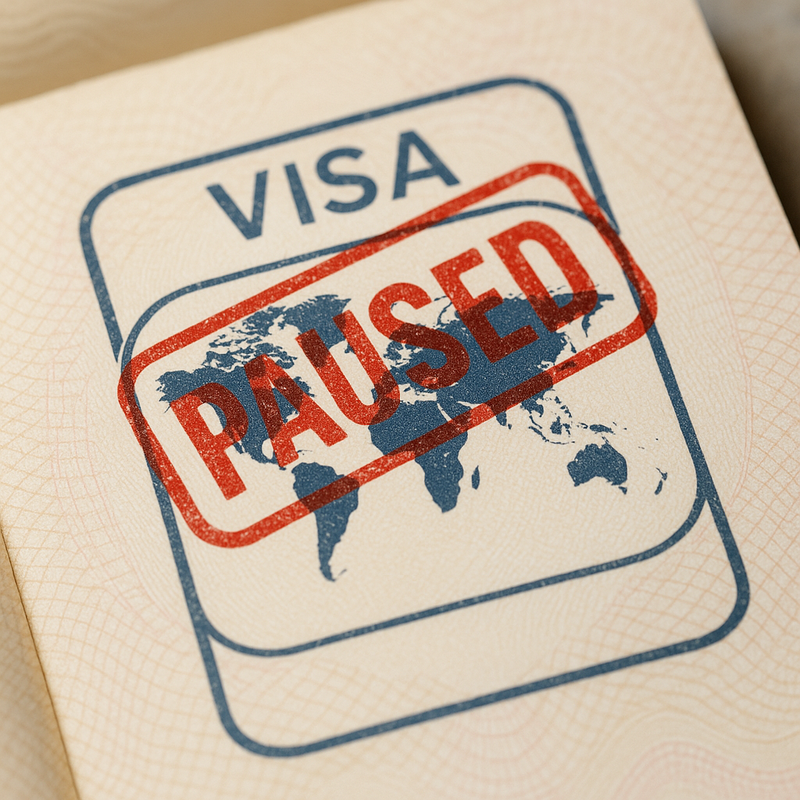
First and foremost, the immediate effect of the visa pause is on personal and business travel. Individuals who were planning to travel to or from the affected countries are now faced with cancellations and uncertainty. This disruption extends to educational pursuits such as study abroad programs, international internships, and cooperative educational exchanges, putting academic and professional plans on hold. Business operations are similarly impacted, especially for multinational corporations that rely on the free movement of staff across borders. The temporary halt in visa issuance could halt projects, delay business transactions, and create logistical nightmares for human resources departments worldwide. Moreover, businesses that depend on seasonal labor or special expertise from foreign nationals might find themselves unable to meet operational demands. Another significant impact is felt in the tourism sector. Countries that rely heavily on tourism for their economic stability are bracing for substantial financial losses. Tourist destinations in these countries face a sharp decline in visitor numbers, which in turn affects income and employment in the sector. This ripple effect extends to associated industries such as hospitality, retail, and transportation, further exacerbating the economic fallout. The reasons behind the visa suspension are varied, ranging from attempts to control the spread of infectious diseases, to responses to diplomatic conflicts, or as economic leverage in broader geopolitical strategies. While each participating country has its reasons, the collective effect is a stark reminder of the fragility and interconnectedness of global affairs. The pause also raises concerns about long-term implications for global migration patterns. Potentially, this could affect international relations and exacerbate existing tensions between countries. It might also lead to increased scrutiny and more stringent conditions when the visa services resume, affecting international goodwill and cooperation.
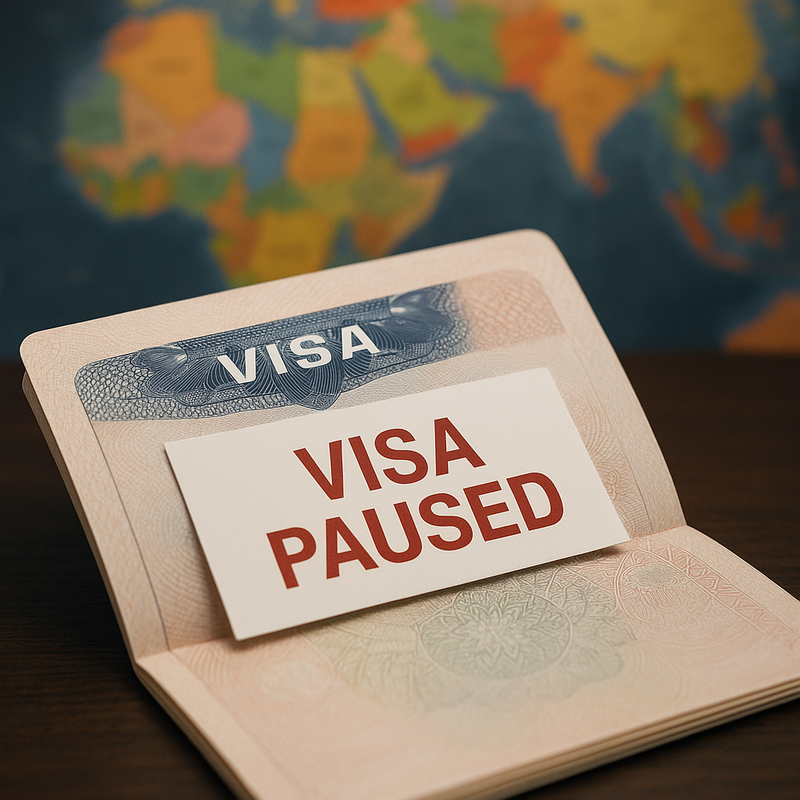
However, it's not all detrimental. Some positive outcomes might emerge from this situation. For instance, countries might use this pause to streamline and enhance their visa processing systems, introducing more efficient and secure measures to handle international travel. Additionally, this could be an opportunity for nations to reassess and strengthen their health and security protocols, ensuring better preparedness for future global challenges. Moreover, environmentally, the reduction in international flights due to the visa pause might temporarily contribute to decreased carbon emissions, providing a short-term benefit to global climate change efforts. As the situation unfolds, it is imperative for all affected parties to stay informed through reliable sources. Travelers should keep in touch with embassies and consulates, while businesses should seek advice from trade and immigration experts to navigate this complex landscape. Governments must communicate clearly and efficiently to minimize misunderstanding and public anxiety. While the visa pause is a significant disruption, it is also a testament to the interconnected nature of our modern world. How we respond, adapt, and move forward from this will be crucial in shaping the future of global travel and international relations.