

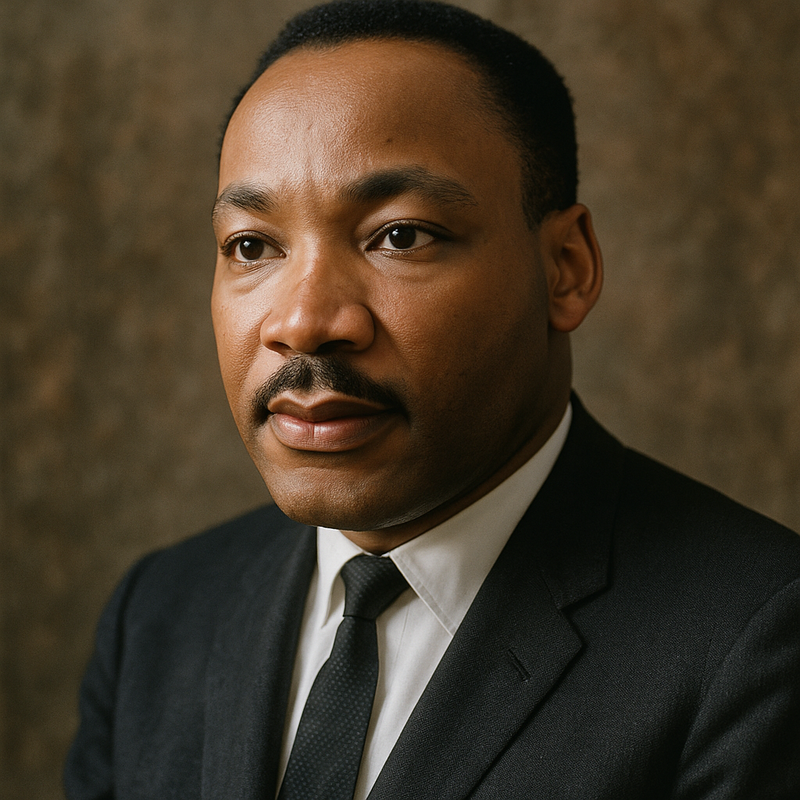
King's strategy of nonviolent protest was not only revolutionary in its own right but also helped to galvanize the American public’s opinion against racial segregation and discrimination. The power of his voice and the poignancy of his message urged thousands to stand up against the Jim Crow laws, leading to significant legislative changes such as the Civil Rights Act of 1964 and the Voting Rights Act of 1965. These laws were crucial in dismantling the institutional barriers that had oppressed Black Americans in the South and across the nation.
However, Martin Luther King Jr.'s vision extended far beyond the scope of racial equality. He had a broader socio-economic agenda that aimed to tackle poverty and advocated for economic justice and opportunity for all, reflecting his deep-rooted belief that civil rights were inseparable from economic rights. King organized and led several campaigns, including the Poor People’s Campaign, which emphasized economic inequality and aimed to unite impoverished people of all races to demand better living conditions and employment opportunities.
King's tactics of nonviolent protest and civil disobedience were inspired by Mahatma Gandhi's approach in India against British rule. Through peaceful protests such as the Montgomery Bus Boycott, the Birmingham Campaign, and the Selma to Montgomery marches, King was able to draw national and international attention to the struggles faced by African Americans. His ability to engage with a wide audience, including those who might not have been directly affected by racial discrimination, helped to foster a broader sense of empathy and solidarity among the public.
His profound commitment to justice earned him the Nobel Peace Prize in 1964, making him one of the youngest people to receive this honor at the time. In his acceptance speech, King spoke about the urgent need to promote peace and justice worldwide, demonstrating his expansive vision that sought universal harmony and understanding.
One of King's lasting impacts is his contribution to the literature of civil rights and justice. His writings and speeches, filled with passion and wisdom, remain essential readings in the global discourse on human rights. Extracts from his "Letter from a Birmingham Jail," where he explains the necessity of breaking unjust laws, resonate with those fighting against oppression everywhere.
Despite the profound progress that has resulted from Martin Luther King Jr.’s efforts, his dream of an equitable society where people are not judged by the color of their skin but by the content of their character is still a work in progress. Ongoing racial inequalities in various sectors of society, including the criminal justice system, education, and employment, indicate there are miles yet to go.
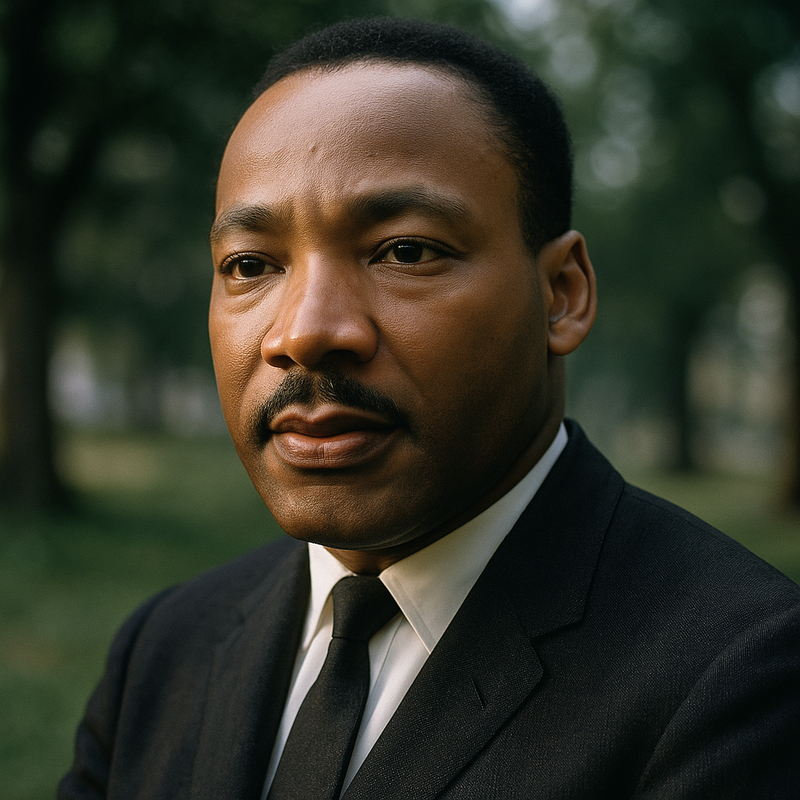
Today, MLK's message of equality, peace, and justice continues to inspire movements and conversations around the world. His philosophy of nonviolent protest has influenced a wide range of social and political movements across the globe. Each year, on Martin Luther King Day, individuals from different backgrounds come together to reflect on his teachings, celebrate his contributions, and pledge to continue his legacy of fighting for a just and equitable world.
As we continue to navigate the complexities of modern society, the teachings of Martin Luther King Jr. serve as a beacon of hope and a reminder of the reservoirs of strength that we can draw from in the quest for justice and peace. His life and message, encapsulating the essence of human dignity and brotherhood, are as relevant today as they ever were, beckoning us to keep striving for a better, more inclusive world.