

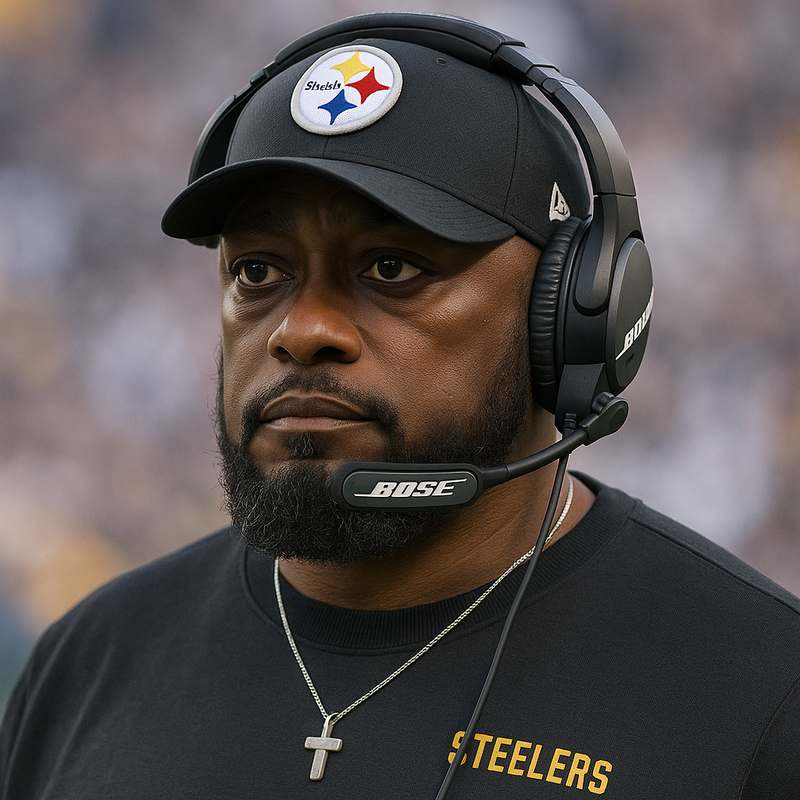
Born on March 15, 1972, in Hampton, Virginia, Michael Pettaway Tomlin embarked on his coaching career at a young age after a short stint playing wide receiver and tight end at William & Mary. His coaching journey began in the college ranks, where he honed his skills and philosophy, before quickly ascending to the NFL, initially as a defensive backs coach with the Tampa Bay Buccaneers. There, he was part of the coaching staff that led the Buccaneers to their Super Bowl XXXVII win, which was foundational in shaping his future coaching strategies. Tomlin made history when he was hired by the Steelers, becoming the youngest head coach in NFL history to lead his team to a Super Bowl win when the Steelers captured Super Bowl XLIII. His approach is often characterized by a focus on strong defense and smart, efficient offense, but what really sets Tomlin apart is his ability to manage and motivate his players. He consistently develops and gets the best out of his athletes, no matter their draft status or previous accolades. Tomlin’s philosophy revolves around the "standard is the standard" mantra. This mindset ensures that every player, regardless of their role on the team, is ready to perform at the highest level when called upon. This has been evident in how seamlessly substitutes have filled in during injuries to key players, maintaining the team's performance without significant drop-offs. A key aspect of Tomlin’s strategy is his adaptability. He has evolved his coaching tactics with the changing dynamics of NFL gameplay. Over the years, Tomlin has shifted his focus as new types of offenses have become prominent, pushing the Steelers to adapt defensively while maintaining a robust, classic rush offense. His ability to foresee game trends and prepare his team accordingly has been crucial in outmaneuvering strong opponents.
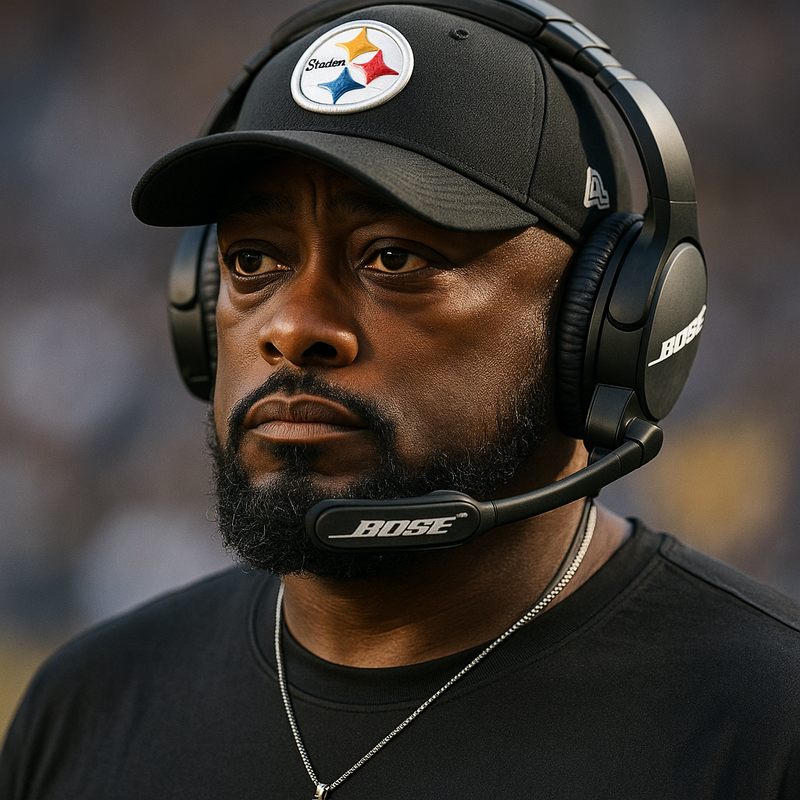
Furthermore, Tomlin’s leadership extends beyond tactical gameplay. He actively fosters a culture of discipline and accountability, stressing the importance of off-field conduct, preparation, and continual improvement. His players frequently speak about the respect they have for him, not just as a coach, but as a role model. This mutual respect helps build a strong, unified locker room, which is often reflected in the team's gritty, determined play style. In terms of challenges, Tomlin has faced his share, from managing high-profile personalities to navigating through seasons fraught with injuries and tough losses. However, his resilience and steadiness have always kept the Steelers competitive, even when they were dismissed as contenders by critics. His ability to stay calm under pressure and lead with certainty provides a stabilizing force for the team, keeping them focused and undeterred in pursuit of their goals. As he continues his tenure with the Steelers, Mike Tomlin’s legacy is one of consistent success, underlined by a strategic mind that refuses to settle for mediocrity. Whether it’s his maneuvering during the draft, game day decisions, or his influence in shaping his players’ careers and lives, Tomlin's impact is indelible. His career is a testament to the power of leadership and vision in the high-stakes world of NFL football, making him not just a successful coach, but a transformative figure in the realm of professional sports.