

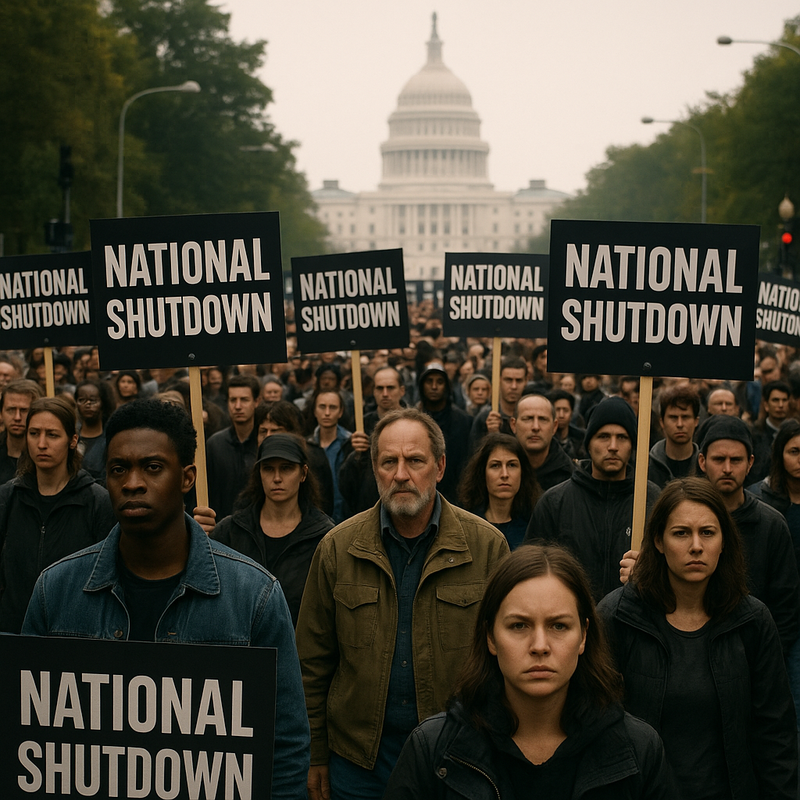
The idea of a national shutdown often brings with it uncertainty and widespread concern. One of the most immediate effects is on employment. Non-essential workers may face temporary layoffs, while essential workers could experience increased workloads and stress due to heightened demands. For instance, health care professionals typically see a surge in their responsibilities, which can lead to quicker burnout. Economically, the impact can be just as profound. Businesses, especially small and mid-sized, might struggle to cope with the halted economic activity. Retailers, restaurants, and leisure industries could see a steep decline in customers, leading to severe financial strain or even permanent closure. The ripple effect extends to the suppliers and service providers connected to these businesses, illustrating the interconnected nature of modern economies. Furthermore, educational systems would likely be affected. Schools and universities may either close or switch entirely to online platforms, presenting challenges particularly in areas with limited access to digital technology or reliable internet. The shift can exacerbate educational inequalities among students from different socio-economic backgrounds. However, governments often implement mitigation strategies to cushion the blow from such shutdowns. These can include financial aid packages for individuals and businesses, enhanced unemployment benefits, and other economic stimuli to maintain as much economic activity as possible. Tax relief or deferments may also be offered to help businesses manage cash flow during downtime. Public health is another critical aspect invariably linked to national shutdowns, especially those prompted by pandemics. While the primary aim might be to prevent the healthcare system from being overwhelmed, shutdowns can also cause significant disruptions to routine care and medical services, including the management of chronic diseases, routine surgeries, and vaccinations. Mental health issues see a surge as well, as individuals grapple with isolation, anxiety, and uncertainty about the future. Governments, community leaders, and health professionals emphasize the need for robust mental health support systems during these periods to address these issues proactively. The impact of a national shutdown extends to government functions. Critical operations must continue, but under strained circumstances. Law enforcement, emergency services, and other critical sectors must adapt to the new norms, often with limited resources or altered operational rules. This adaptation can test the limits of existing protocols and emergency preparedness plans.
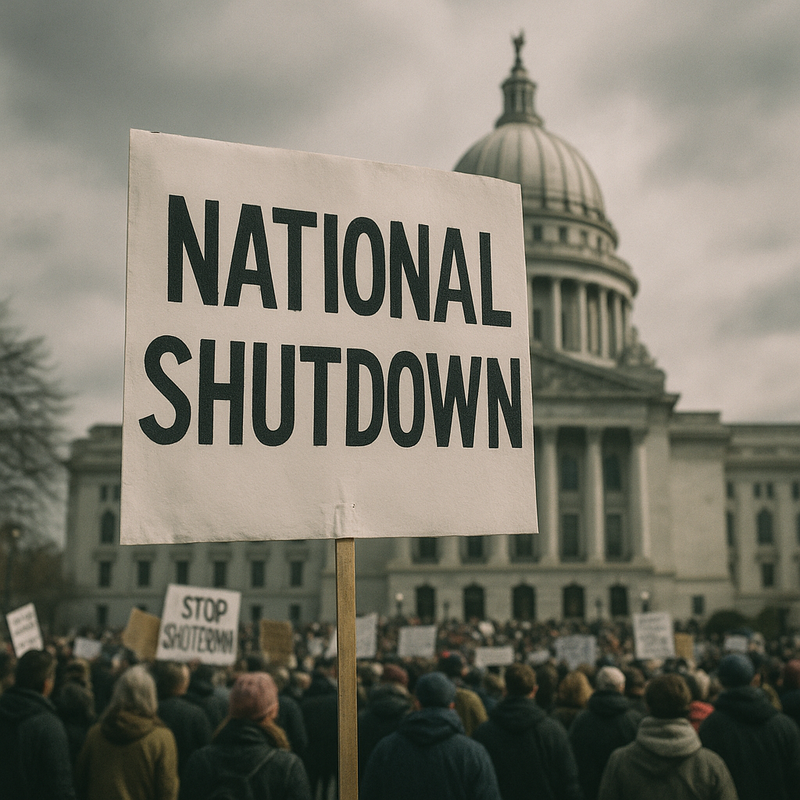
On a broader scale, national shutdowns can also alter international relations and global trade. Countries dependent on trade might find their economies significantly hampered, and global supply chains can be disrupted. This necessitates careful negotiation and cooperation among nations to mitigate global economic impacts. It's also essential to consider the long-term impacts of such shutdowns. Economically, nations might face recessions, and recovery can be slow and painful. Socially, the fabric of society might emerge transformed, with shifts in how communities interact, how business is conducted, and how governments are expected to respond during crises. In conclusion, a national shutdown is not a decision taken lightly, given its profound and layered impacts. It requires balancing act between controlling the immediate crisis and mitigating the long-term effects on the economy, public health, and society. While challenging, these events also offer an opportunity for nations to build resilience, rethink strategies, and enhance preparedness for future emergencies. The key lies in comprehensive planning, robust support systems, and global cooperation to navigate the complexities of a shutdown and emerge stronger on the other side.