

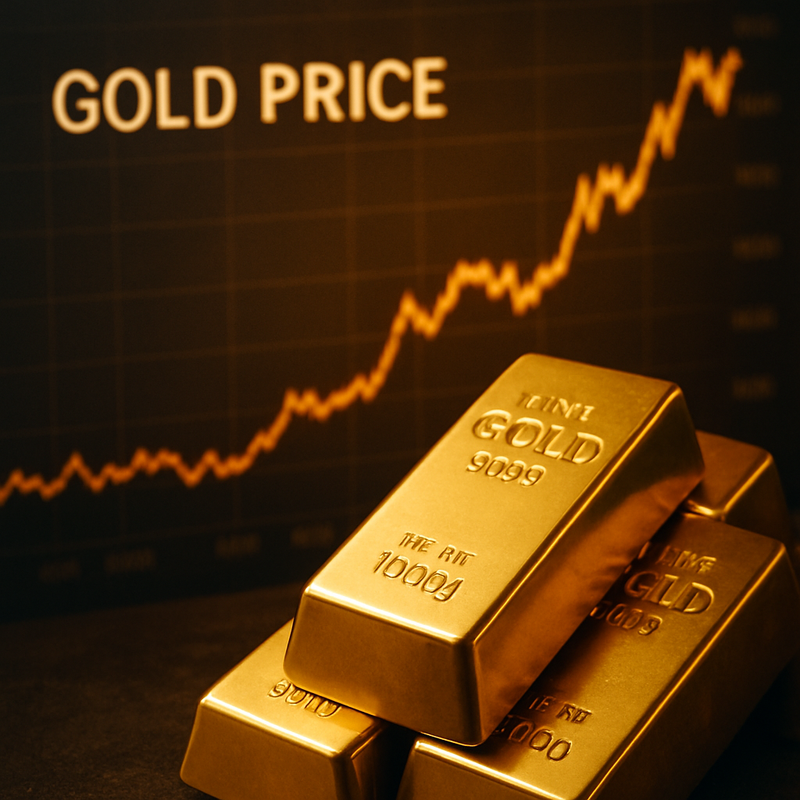
Gold prices are largely influenced by changes in economic conditions. During periods of economic instability or when inflation rates are high, investors tend to turn to gold. This is because gold is often viewed as a more stable store of value compared to fiat currencies, which might be subject to devaluation during such times. Furthermore, as a physical commodity, gold maintains a tangible value, distinct from the perceived value of paper currencies or digital assets. International geopolitical events also play a significant role in the fluctuations of gold prices. Conflicts, elections, and policy changes can trigger uncertainty in global markets, prompting investors to seek the relative safety of gold. Additionally, the monetary policies set by major central banks, such as the U.S. Federal Reserve or the European Central Bank, impact gold prices significantly. For example, lowering interest rates often leads to higher gold prices, as lower yields on bonds and savings make gold a more attractive investment. Supply and demand dynamics are also fundamental to understanding gold prices. The extraction of gold can be expensive and challenging, influencing its supply. The closure of mines, strikes among workers, technological advancements, or discoveries of new gold reserves all affect gold's availability and, consequently, its price. On the demand side, gold is not only purchased by investors but also used extensively in industries such as electronics and dentistry. Moreover, cultural factors in countries such as India, where gold is deeply integrated into wedding customs, can lead to spikes in demand during certain seasons. The rates of other crucial commodities also affect the pricing of gold. Often inversely related to the performance of major currencies, especially the US dollar, changes in the strength of the dollar can significantly affect gold prices. When the dollar weakens, gold prices typically rise as investors look for a secure alternative, and vice versa.
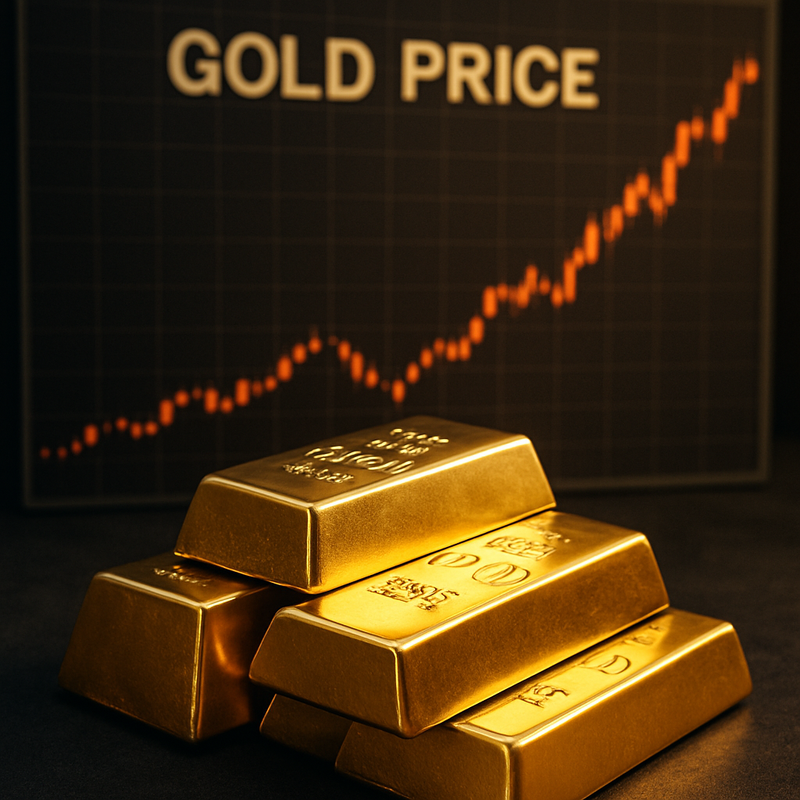
Investment market trends additionally sway gold prices. For instance, an increasing number of investors are now channeling their funds into Exchange-Traded Funds (ETFs) that replicate the movement of gold prices. These financial instruments allow investors to buy gold in a non-physical form, influencing its demand and, ultimately, its price. The interplay of these factors makes gold an interesting and complex asset to watch. The inherent volatility and sensibilities to a variety of market influences mean that investing in gold requires a strategic approach and an understanding of a broad set of economic variables. In conclusion, the price of gold is not only about market dynamics but also about human perceptions and reactions to global events and economic conditions. It’s a barometer of sorts, reflecting both investor sentiment and real-world economic conditions. Whether for investment purposes or simple curiosity, keeping an eye on gold prices can provide insights into the financial health of not just one nation but the global economy at large. Understanding this can help individuals and professionals alike make more informed financial choices, making the study of gold prices more relevant than ever.